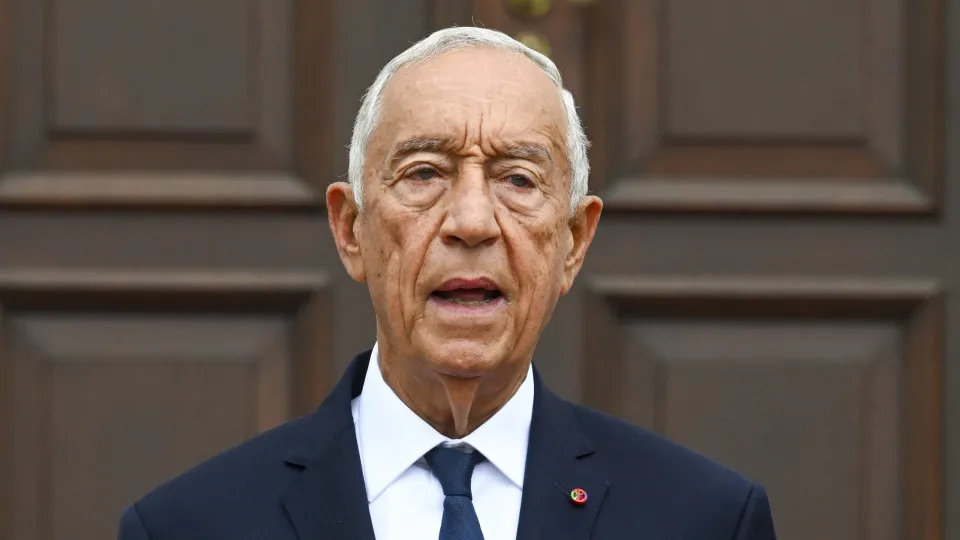
Approximately one month remains until Portuguese citizens elect the next President of the Republic, succeeding Marcelo Rebelo de Sousa. But do you know the role of the head of state in Portugal and their powers?
According to the Constitution of the Portuguese Republic, the President “represents the Portuguese Republic, guarantees national independence, the unity of the State, and the regular functioning of democratic institutions.” They are also the Supreme Commander of the Armed Forces by default.
How is the President of the Republic elected, and who can be?
The President is elected by universal, direct, and secret suffrage by Portuguese registered voters both domestically and abroad.
Any Portuguese citizen over 35 years can be President. They also require between 7,500 to 15,000 signatures, which must be submitted to the Constitutional Court.
It’s important to note that a serving President cannot run for a third consecutive term or during the five years immediately following the end of the second consecutive mandate.
A head of state’s mandate lasts for five years and ends upon the inauguration of a newly elected President.
What are the powers regarding other bodies?
- Chair the Council of State;
- Schedule, in accordance with electoral law, the date of elections for President, Members of the Assembly of the Republic, Members of the European Parliament, and Members of the Autonomous Regions’ Legislative Assemblies;
- Convene the Assembly of the Republic extraordinarily;
- Send messages to the Assembly of the Republic and the Legislative Assemblies of the autonomous regions;
- Dissolve the Assembly of the Republic, following Article 172.º, consulting the represented parties and the Council of State;
- Appoint the Prime Minister, pursuant to Article 187.º, Number 1;
- Dismiss the Government, pursuant to Article 195.º, Number 2, and discharge the Prime Minister, as per Article 186.º, Number 4;
- Appoint and dismiss Government members, at the Prime Minister’s proposal;
- Chair the Council of Ministers upon the Prime Minister’s request;
- Dissolve the Legislative Assemblies of the autonomous regions, consulting the Council of State and the represented parties therein, following Article 172.º with necessary adaptations;
- Appoint and dismiss, in consultation with the Government, the Representatives of the Republic for the autonomous regions;
- Appoint and dismiss, at the Government’s proposal, the president of the Court of Auditors and the Attorney General;
- Appoint five members of the Council of State and two members of the Superior Council of the Judiciary;
- Chair the National Defense Superior Council;
- Appoint and dismiss, upon Government proposal, the Chief of the General Staff of the Armed Forces, the Deputy Chief of the General Staff when existing, and the Chiefs of Staff of the three branches of the Armed Forces, consulting the Chief of the General Staff in the last two cases.
What is the competence for practicing own acts?
- Exercise the role of Supreme Commander of the Armed Forces;
- Promulgate and publish laws, decrees-laws, and regulatory decrees, sign resolutions by the Assembly of the Republic approving international agreements, and other government decrees;
- Submit to a referendum issues of national relevance, as per Article 115.º, and the ones referred in Article 232.º, Number 2, and Article 256.º, Number 3;
- Declare a state of siege or state of emergency, observing Articles 19.º and 138.º;
- Pronounce on all serious emergencies affecting the Republic;
- Pardon and commute sentences, consulting the Government;
- Request preventive constitutional reviews of norms in laws, decree-laws, and international conventions from the Constitutional Court;
- Request the Constitutional Court to declare the unconstitutionality of legal norms and verify unconstitutionality by omission;
- Award decorations, in accordance with the law, and serve as the grand master of Portuguese honorary orders.
And in international relations?
- Appoint ambassadors and extraordinary envoys upon Government proposal and accredit foreign diplomatic representatives;
- Ratify international treaties, once duly approved;
- Declare war in case of actual or imminent aggression and make peace upon Government proposal, consulting the Council of State and with authorization from the Assembly of the Republic, or, if it is not in session or cannot be immediately convened, from its Standing Committee.
Promulgation and veto
It should be noted that the President has the power to promulgate or veto any decree from the Assembly of the Republic.
“Within twenty days of receiving a decree from the Assembly of the Republic for promulgation as a law, or from the publication of the Constitutional Court’s decision not declaring its norms unconstitutional, the President must promulgate it or exercise the right of veto, requesting a reconsideration in a substantiated message,” as stated in the Portuguese Constitution.
Who can vote early in the presidential elections? And when?
Presidential elections are scheduled for January 18, 2026, and though more than a month remains, some information needs attention. For example, who can register for early voting?
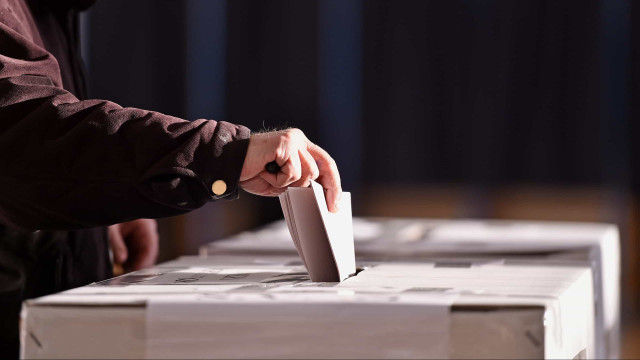
The presidential elections are on January 18, 2026, and if a runoff is necessary, it will occur three weeks later on February 8. Details on who can vote early and when they can do so are provided.
Maria Gouveia | 12:41 – 08/12/2025
Who are the candidates in the presidential elections?
The Portuguese are returning to the polls in just over a month to choose the next President, replacing Marcelo Rebelo de Sousa, who has held the position for 10 years.
Among others, António Filipe (backed by PCP), António José Seguro (supported by PS), André Ventura (Chega supporter), Catarina Martins (BE supporter), Henrique Gouveia e Melo, João Cotrim Figueiredo (backed by Iniciativa Liberal), Jorge Pinto (supported by Livre), Luís Marques Mendes (supported by PSD), and Manuel João Vieira have announced their candidacies in the presidential elections.
Additionally, 40 more individuals are registered on the Candidature Portal, a website of the Ministry of Internal Administration where they can gather signatures. Among them are André Pestana, Manuela Magno, Joana Amaral Dias, Vitorino Silva, and Raul Perestrelo.
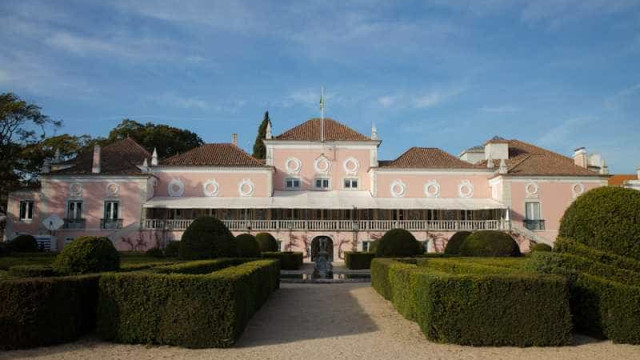
The January 18 presidential elections have more than a dozen candidates, with eight set to debate. Notícias ao Minuto recalls who they are and what they have said so far in the race to Belém.
Natacha Nunes Costa | 09:09 – 03/11/2025
It is also emphasized that, if a runoff is necessary, it will be held on February 8, three weeks after January 18.