

“All damages caused and justified by wolf attacks on livestock farms will be compensated retroactively from January 2025. These compensations have doubled. There is an ordinance indicating all compensations to be paid, taking into account the age and gender of the animals,” stated the official.
Maria da Graça Carvalho further noted, “Since these values weren’t updated since 2017, the revision now carried out reflects a fair increase for livestock producers, as it will now consider the type of livestock attacked and its market cost.”
“We know there are substantial losses and that the prices [of animals] have risen significantly and are very valuable. With this measure, we aimed to compensate producers at market price. We regret the delays, and admittedly, this is also partly due to the electoral process and a period of an interim Government, which prevented us from taking it to the Council of Ministers,” explained the Minister of Environment and Energy.
For sheep compensation, there is an overall increase of 227%; for equines, the increase is 160%, for sheep 130%, and for cattle 97%.
“The order supporting this new payment table takes effect on January 1, 2025, so all compensations for the current year will already be paid based on this update,” it is stated.
The Alcateia 2035 Program also aims to simplify and speed up procedures related to reporting damages caused, assessing damages, and expediting compensation payments.
According to the official, most wolf attacks occurred in the North of the country, and now the Institute for Nature Conservation and Forests (ICNF) is available to assist producers involved in this process, regarding reimbursements and damages caused by wolf attacks.
“From January 2025 until now, there have been reports of 435 animals killed by alleged wolf attacks. In 2024, 670 were recorded throughout the year by the end of the year. December is always the most prone month for these attacks, according to the ICNF. It’s likely that this year will be below last year’s number,” emphasized Maria da Graça Carvalho.
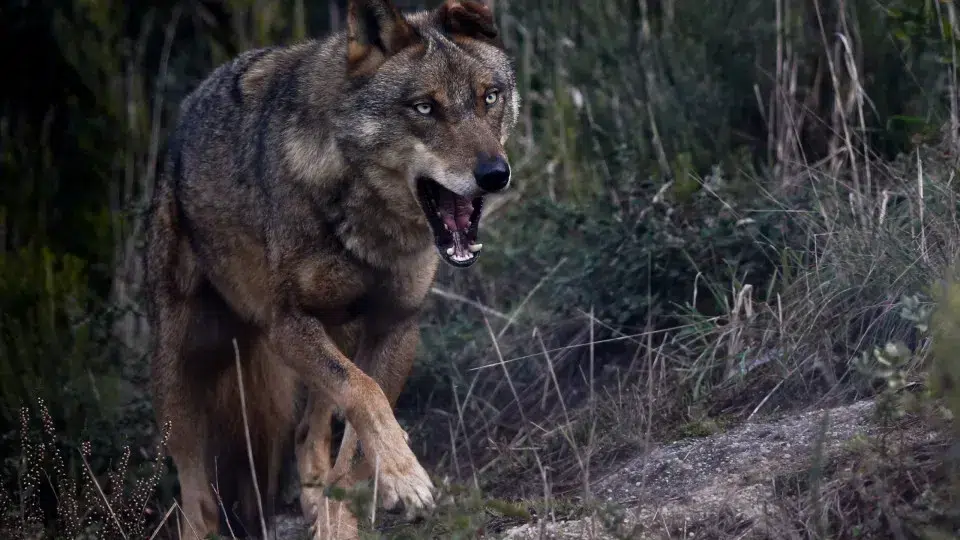
According to the Minister of Environment and Energy, Maria da Graça Carvalho: “The Iberian wolf is part of our natural and cultural heritage, and its conservation is a priority in nature conservation policy. We must prevent its disappearance by acting on ecological restoration, ensuring that damages caused are duly compensated.”
The Alcateia Program 2025-2035 was based on the results of the 2019/2021 Iberian Wolf Census, which highlighted the contraction of the species’ distribution areas that, in the early 20th century, were widespread across the country.
“Currently, there are four population centers: Peneda/Gerês, Alvão/Padrela, Bragança, and South of Douro. Fifty-eight packs were detected (56 confirmed, 2 probable). The population is estimated to be around 300 animals, corresponding to the average estimate of 190 to 390 wolves. The Portuguese population represents about 15% of the Iberian wolf population,” the document reports.
According to the government, the drafting process of this Program, conducted by the ICNF, was open and participatory, gathering contributions from multiple entities in various meetings and debate sessions.
For the official, “The Alcateia Program reflects our effective commitment to conserving the Iberian Wolf.”
The Alcateia Program for the protection of the Iberian wolf has a budget of 3.3 million euros for this year and includes the revision of compensations for wolf attacks on livestock.