


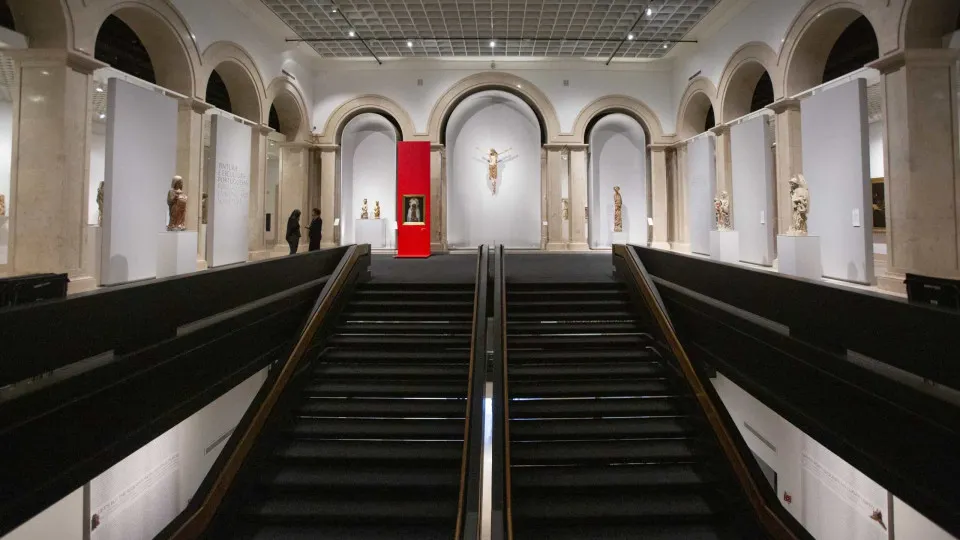
The Portuguese Museums and Monuments organization reported in November that nine museums, as well as the Belém Tower, are closed for renovations, marking an unprecedented level of closures in the national network.
Major renovation projects, facilitated by the Recovery and Resilience Plan (PRR), have positioned 2025 as a pivotal year due to the concentration of project closures and ongoing construction. The timeline for the program is set to end by June 2026 under European Union guidelines.
The closures have significantly impacted visits, particularly in Lisbon, and involve key institutions like the National Museum of Archaeology (closed since 2022), National Costume Museum (closed since June 2024), National Museum of Ancient Art (as of September 29, 2025), National Tile Museum, and the National Theatre and Dance Museum, both closed since November 1.
In Lisbon, the Royal Riding School has also been closed for renovations since September 29, although the linked National Coach Museum remains open. Meanwhile, the Belém Tower has been closed since April.
Outside Lisbon, the Museum of Lamego has been under renovation since May 2025, and the Queen Leonor Museum in Beja has been closed since 2023.
The National Museum of Archaeology, established in 1893 and located in the Jerónimos Monastery since 1903, exemplifies large-scale renovations aimed at doubling its exhibition space.
Other projects are progressing towards crucial renovation stages next year, focusing on infrastructure, collection conservation, and accessibility improvements.
The National Museum of Ancient Art’s renovations target roofs, facades, and the Albertas Chapel to secure the preservation of one of Portugal’s most significant public art collections.
A highlight of 2025 was the reopening of the National Music Museum on November 22, following its relocation to the National Palace of Mafra, showcasing some of the country’s most valuable instrumental collections, including national treasures.
The Royal Riding School and Belém Tower have long-awaited interventions to address their deterioration.
Across these initiatives, the shared goal is to ensure proper conservation conditions, modernize infrastructure, strengthen exhibition circuits, and meet contemporary safety, sustainability, and visitor requirements, according to MMP.
The PRR’s scale is reflected in its financial allocations: nearly 20 million euros for the National Museum of Archaeology, 8.5 million for Ancient Art, 5.75 million for the National Music Museum, 4.5 million for the National Tile Museum, and 2.7 million for the National Theatre and Dance Museum, among other significant investments across the country.
Total cultural allocations from the PRR exceed 192 million euros for the recovery of 73 museums, monuments, and palaces.
The PRR, backed by the European Union, is a national program scheduled to run until 2026, designed to implement reforms and investments for sustainable economic growth post-COVID-19.